
Twenty Fewer Turbines

Falck Nutec Wind Man
The BBC reported yesterday:

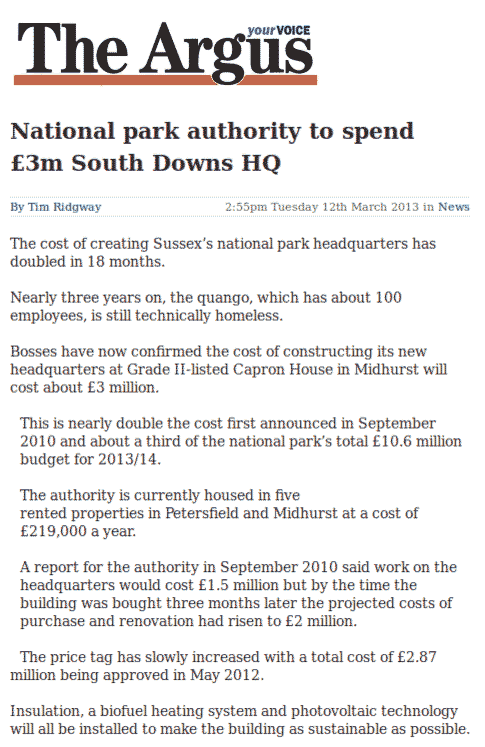
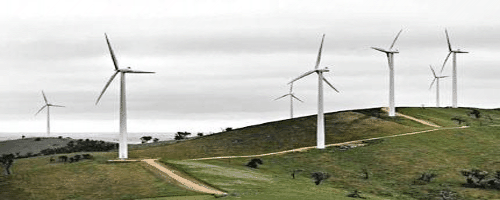
Plans for a wind farm in the English Channel have been reduced because of concerns about the impact on views from the South Downs National Park. The number of turbines has been cut by 20, to a maximum of 175, in a revised scheme submitted to the government. The proposed Rampion offshore wind farm would be visible from the national park .. Underground cabling will pass through the national park from Worthing to a new electrical sub station at Bolney, in West Sussex .. Ducting for the underground cable would be installed in a trench, which would be restored within weeks. “We are not suggesting there is never going to be any impact from a project like this,” said Mr Tomlinson.

The West Sussex County Times now has the SDNPA reaction:

Margaret Paren, Chair of the South Downs National Park Authority, said: “We’re pleased to see that E.ON has listened to our concerns regarding the visual impact of the Rampion proposal on the South Downs National Park, however we think that there is more to be done especially on the routing of the cables.” .. In response to concerns of the impact on the South Downs National Park, E.ON has put forward a number of solutions. These include a ducted method of cable installation to reduce the time required for trenching and restoration, tailored construction to reduce the impact on the chalk grasslands at Tottington Mount and a commitment to communicate with users, informing them of the impact on Public Rights of Way.

The Fulking Parish Council response to the Rampion proposals, from 29th September 2010, can be found here [PDF] and the SDNPA response, from 8th October 2010, is here [PDF].

Post updated 10th and 11th April 2013.
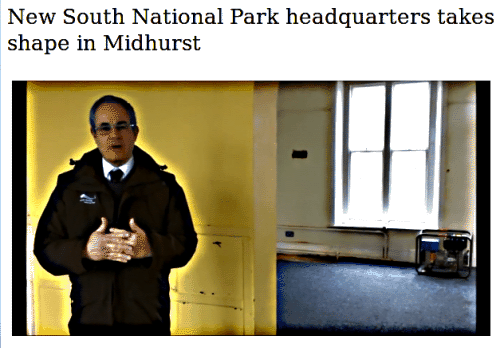
Ian Phillips appointed to SDNPA

Ian_Phillips 2011 Upland_Areas
Today’s Midhurst and Petworth Observer reports:

Ian Phillips has been appointed as a new member of the South Downs National Park Authority (SDNPA) to replace Tom Tupper, who stepped down from the role last month. Ian Phillips, who lives in Farnham, is a chartered landscape architect and town planner with more than 25 years’ experience in urban and rural local government. His professional interests include green infrastructure, policy development, planning for trees and community engagement and he has spoken on these topics at national and international events. He serves on the Landscape Institute’s council and policy committee and is chairman of its appointments committee. He pursues a keen interest in trees as chairman of the Tree Advice Trust, as a contributor to relevant British Standards and as a member of the Trees and Design Action Group.

Miscommunication from SDNPA

SDNPA miscommunication
“There are several important points that we would like to highlight:

  • Information about the closure cannot be found on the SDNPA website, even through a search;
  • We have seen no evidence that the SDNPA want to engage with local businesses on a practical or proactive level, to promote them or work with them – this is a good example;
  • Surely the the SDNPA should consider this their responsibility to inform those affected – local residents, visitors, businesses?
  • The period of notice (6th March) was in any case far too short;
  • The period of closure spans the Easter weekend (could be fairly busy on the Downs at this time). What do walkers do when they come across a barrier on the South Downs Way with no alternative signposted? Where would they have found out about this closure?”

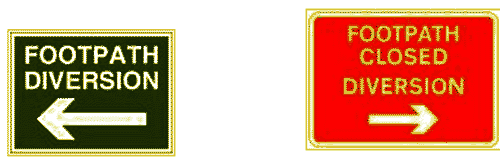
Click the diversion signs above to see the SDNPA response and other commentary.

GJMG

“A Thriving Living Landscape”

A Thriving Living Landscape
The South Downs National Park Authority has issued a draft policy document [PDF], entitled A Thriving Living Landscape. and invited comments. Some extracts follow:

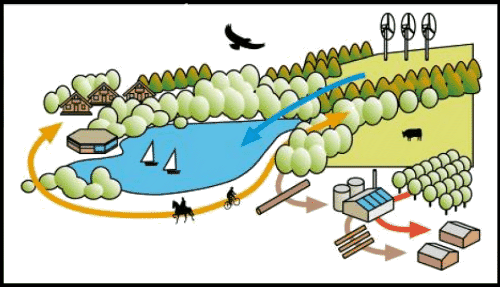
  • The National Park offers important opportunities for renewable energy generation including woodfuels, solar, wind and anaerobic digestion ..
  • Climate change or lack of appropriate management could be a threat to much of our heritage.
  • Allow the landscape to continue to evolve and become more resilient to climate change.
  • Contribute to the delivery of government climate change strategy targets through renewable energy schemes ..
  • There are five oil and gas wells within the Park some already in production others at the exploration and appraisal stage.
  • The South Downs National Park carbon footprint relating to transport is a significant proportion of the overall total .. promoting alternatives to the car also supports opportunities to make tourism more sustainable and increase spend per person (surveys show this is a fact) ..
  • Promote travel behaviour-change across the National Park ..
  • Increasing the proportion of visitors staying in the Downs .. develop .. a wide range of high quality accommodation provision ..
  • Most problems with visitor behaviour are local visits from surrounding areas ..
  • Volunteers are not widely representative of the local demographic.
  • Increase opportunities for young adults, people from Black, Asian and Minority Ethnic (BAME) communities, people with disabilities and people from areas of deprivation to visit the National Park.
  • Support land managers to access incentive schemes and work with partners to effectively target agri-environment grants and influence the development of future payment schemes.
  • With the removal of the Regional Development Agencies (RDA’s) and setting up of Local Enterprise Partnerships (LEPs) the economic framework of the region has changed significantly. There are three LEPs that cover the SDNP. LEPs currently administer the Growing Places Funds which are revolving funds aimed at unblocking development proposals. Currently no Rural Growth Funds are available within the South East LEPs. It is likely that the LEPs may have an enhanced role in distribution of EU structural funds. Future investments will need to fit with the LEPs Strategies for Growth. There is a need to ensure that these have a rural element and that they fit with SDNP objectives.

GJMG

“Visitors choose to travel by car through convenience”

Sustainable transport
The Department for Transport has provided the South Downs and New Forest National Park Authorities with £3.8m of taxpayer money. They, in turn, are passing some, or all, of this money on to a PR firm for a two-month project intended to see the development of “a strategic comms and stakeholder engagement plan” in relation to “travel-related behaviour change”.

GJMG