
The Auxiliary Units were, in effect, created to be the ‘British Resistance’ in the event of a German invasion of this country. Colonel Colin Gubbins was given the task of forming this resistance in June 1940, a time when the threat of invasion was very real. He gave them the deliberately nondescript title of ‘Auxiliary Units’ often shortened to ‘Aux Units’. They were provided with the best available weapons, including plastic high explosives, without regard to expense. The Aux Units were formed into small localised patrols all around the country. Each county was given an Intelligence Officer, holding the rank of Captain, whose initial task was to create these patrols. Although potential members of the Aux Units existed within the regular Home Guard, not all the men were recruited there. It was essential for members to have an intimate knowledge of their area, consequently farmers, game keepers, market gardeners and people of similar occupations joined their ranks, many being in reserved occupations.
Everything about their existence was kept highly secret. Each patrol required an underground hideout, known as an ‘operational base’. These bases were well hidden and purpose built to house the patrol in the event of an invasion. The operational base also contained food, water, ammunition and explosives. In the event of invasion, each patrol was to secrete themselves in their operational base and wait for the Germans to occupy their area. Emerging only at night, the patrol would then have conducted acts of sabotage. Roads, bridges and railway lines would have been targeted for destruction and lines of communication or supply would have been severed.
Sussex had two scout patrols, one covering the East and the other covering the West of the county. Each scout patrol had twelve men with a Lieutenant commanding them. The eastern scout patrol was made up of men from the Queens Royal Regiment, commanded by Lieutenant William Ashby and the western scout patrol comprised men from the Royal Sussex Regiment, commanded by Lieutenant Roy Fazan. Weekend training of the Sussex patrols took place at Tottington Manor. Practical work was undertaken by the scout patrols with lectures being delivered by the Intelligence Officer.
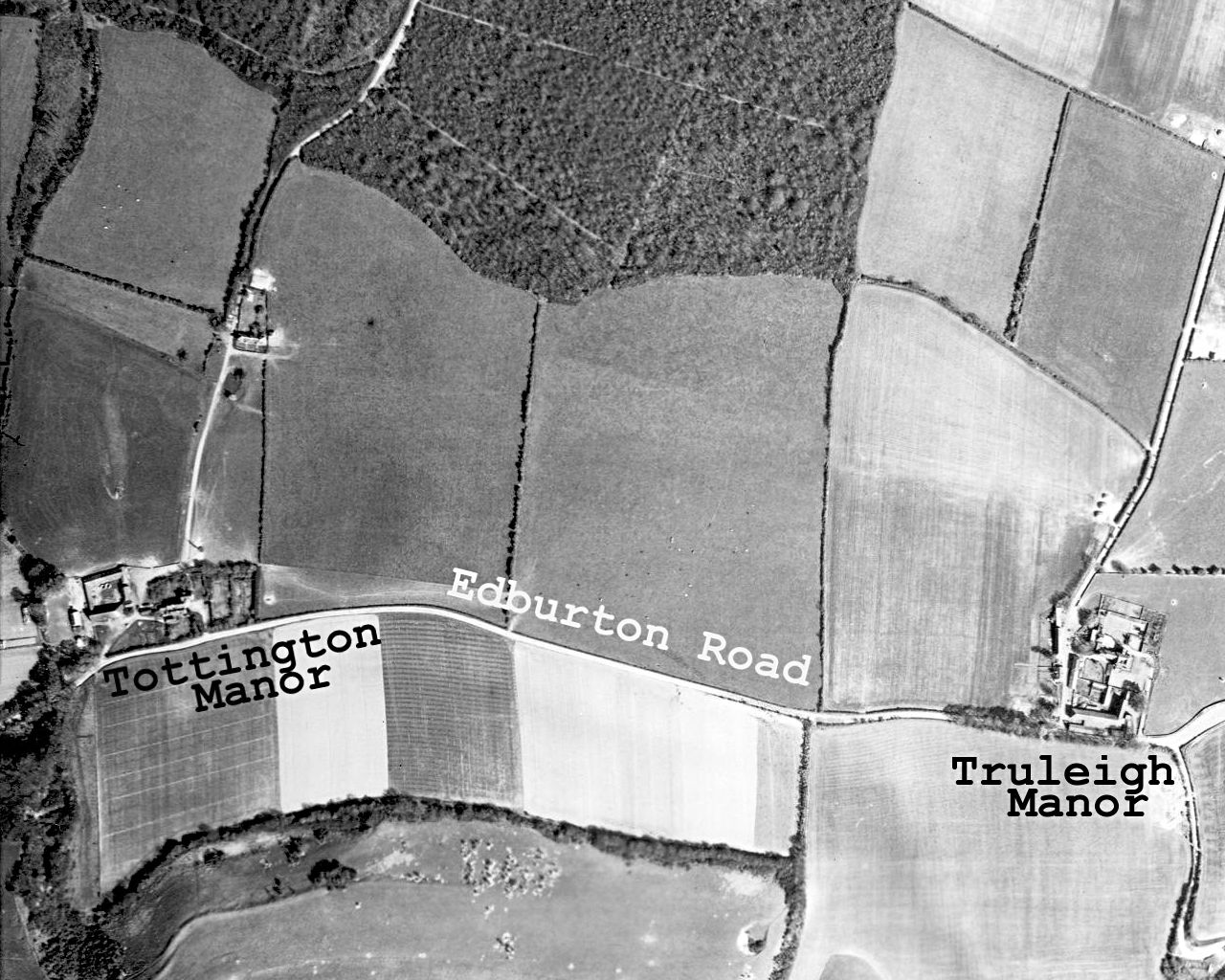
The manor’s central position in Sussex along with its isolated location made it ideal for a regional base for the Aux Units and it was duly requisitioned. The Intelligence Officer and his personnel were based at the Manor. They included a couple of drivers, a cook, a clerk in charge of paperwork, a Lance Corporal from the Royal Corps of Signals as a radio operator and a Corporal from the Royal Engineers.

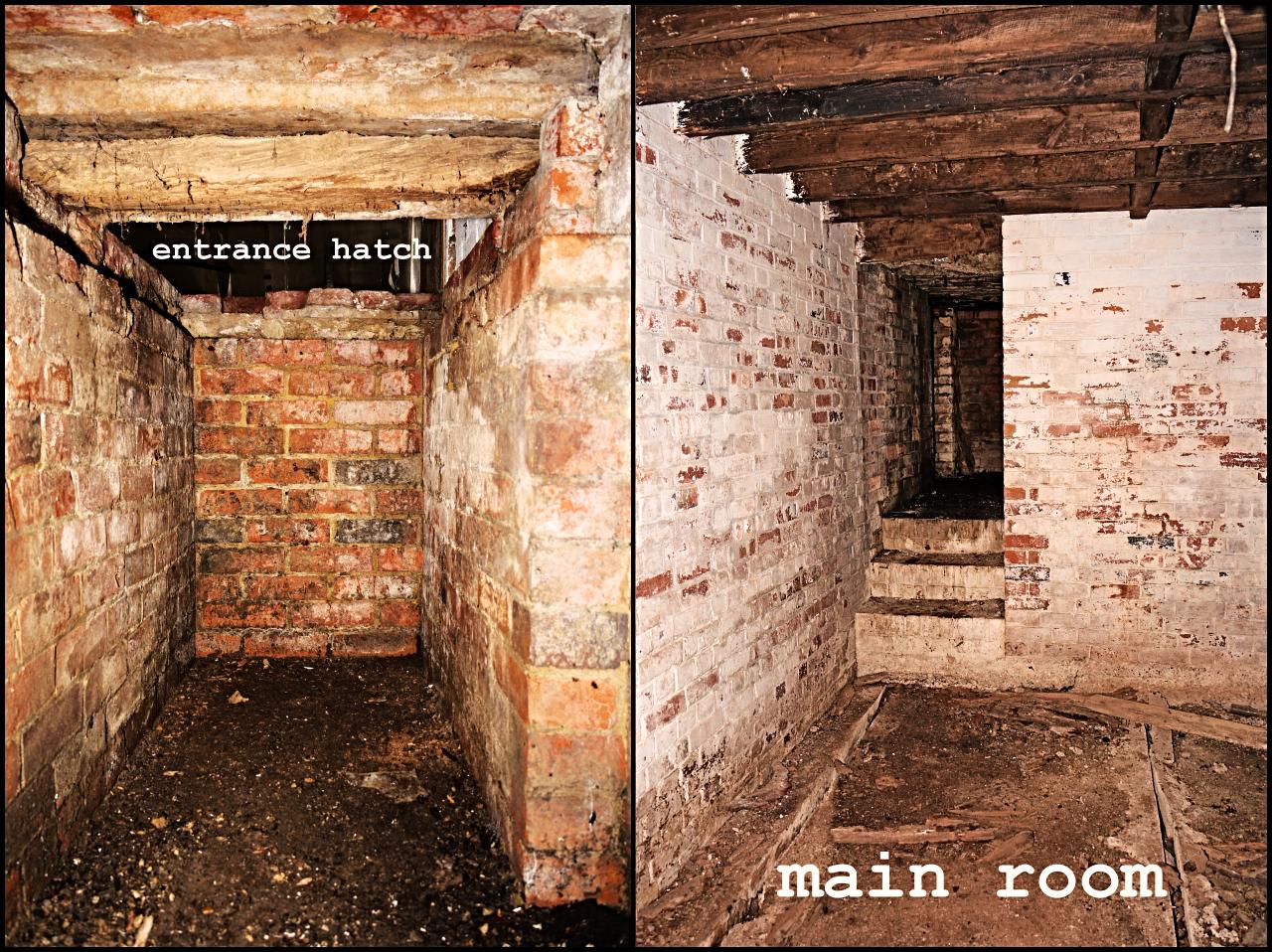
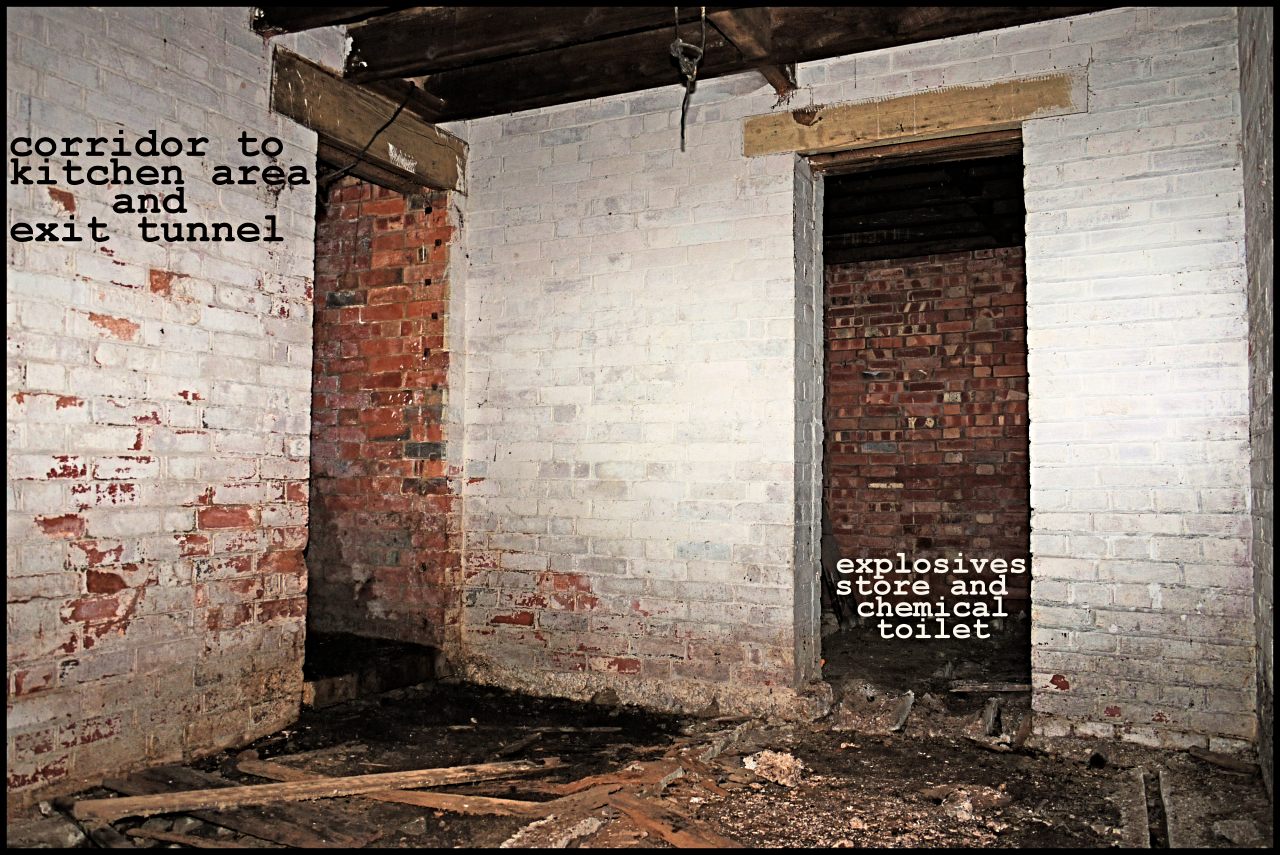
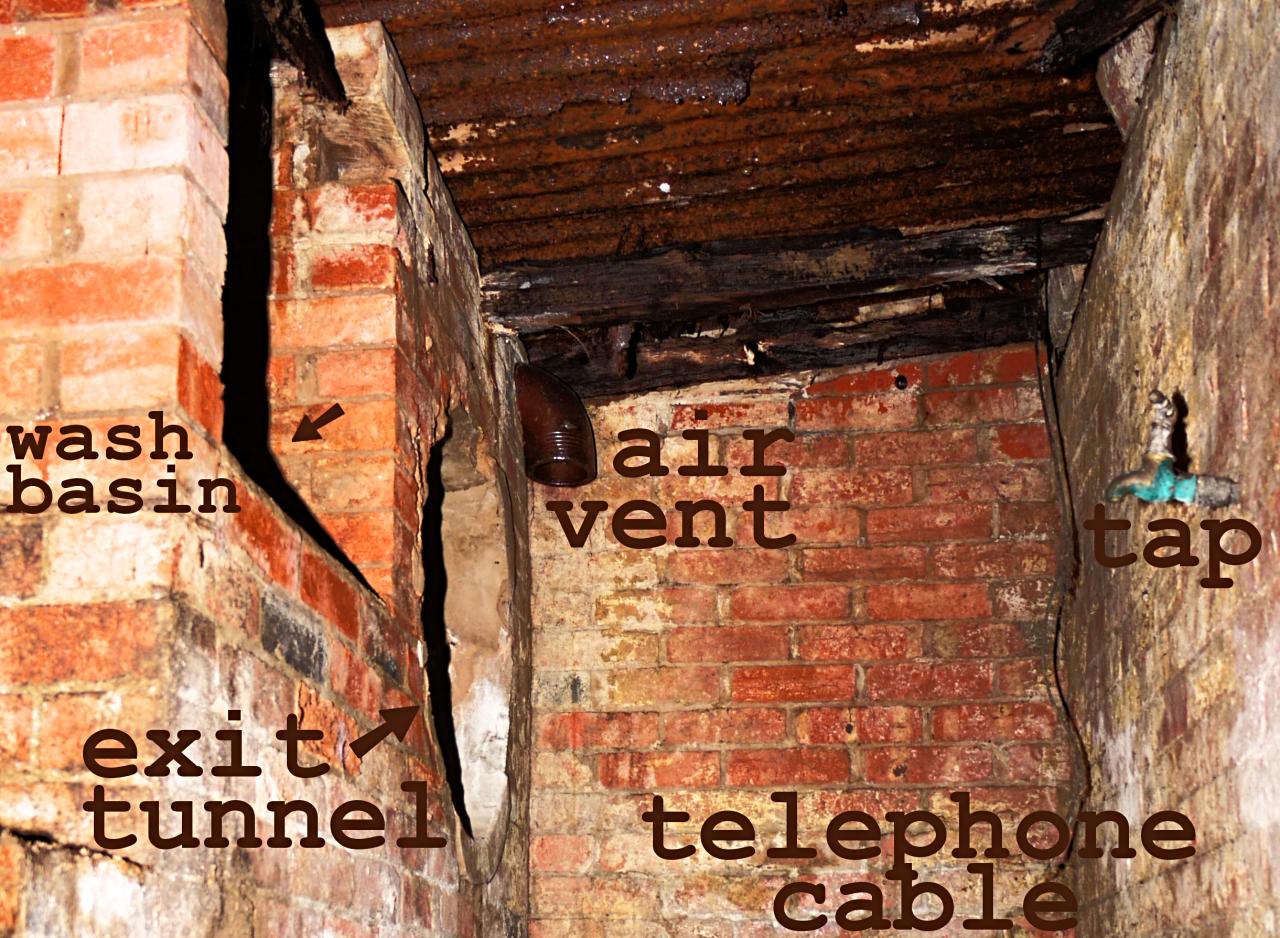
Sussex was in the front line of a German invasion and as such would have played a key role during the hours and days following the initial landings. The men within the Aux Unit patrols were all volunteers, highly trained and ready to do what they had been trained to do unseen after nightfall. Thankfully, they were never needed. It was predicted that the patrols would have had a life expectancy of just two weeks after the start of their campaign.
Stewart Angell
Further reading:
- Stewart Angell (1996) The Secret Sussex Resistance. Midhurst: Middleton Press.
- David Lampe (1968) The Last Ditch. New York: G. P. Putnam’s Sons.
- John Warwicker (2008) Churchill’s Underground Army. Barnsley: Pen & Sword.
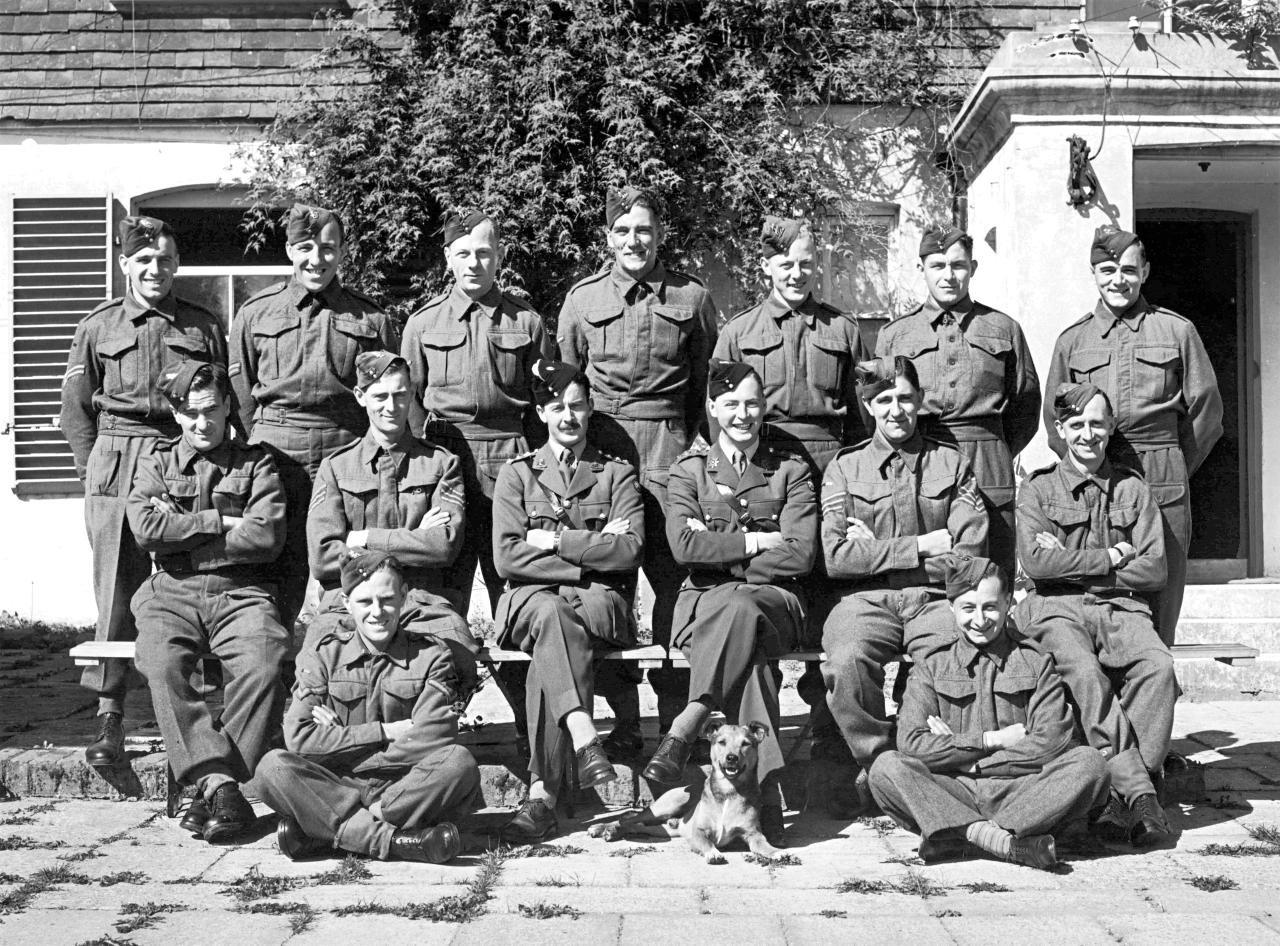
A formal group photo of Corporal Frank Mayston’s Auxiliary Unit Platoon outside the porch at Tottington Manor in September 1943. Frank is standing at the back on the far left. Seated, third from right, is Captain Roy Bradford, the Intelligence Officer for the unit. He spoke French and was recruited by the SAS in 1944 to fight with the French Resistance. He parachuted into France that year and died in a firefight with German forces.
Image information:
- Tottington Manor: one of a series of photographs of the building taken in 1949 by Marjorie Baker, a professional photographer based in Henfield. Her entire archive is held by Henfield Museum.
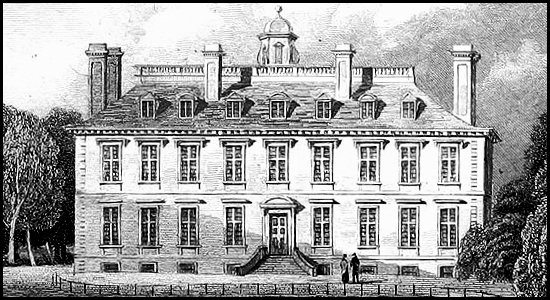
- Coleshill House: from an 1818 drawing by John Preston Neale, British Library, public domain. The appearance of the house remained unchanged until it burned down in the 1950s.
- Aerial photograph of Tottington Manor and surroundings in 1946: Sussex Air Photo Catalogue, Geography Resource Centre, University of Sussex.
- Plan of the underground hideout: author.
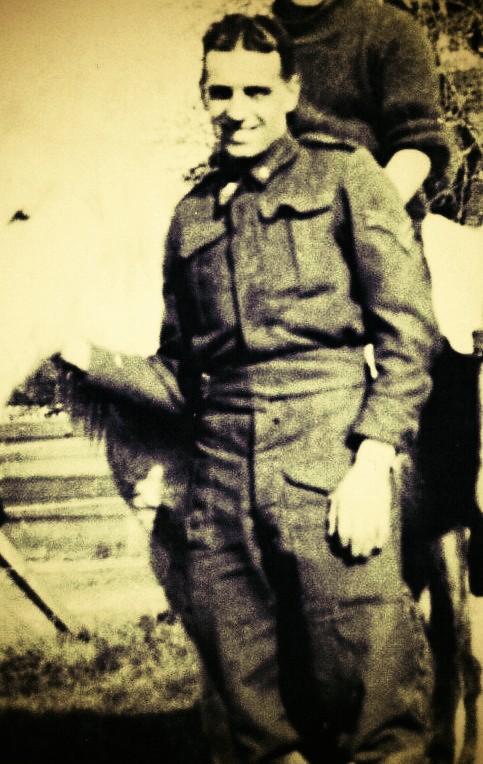
- Photos of Corporal Frank Mayston: author’s collection, unknown photographer.
- Photos of the hideout interior: author, 2010.
- Frank Mayston’s platoon at Tottington Manor in September 1943. Almost certainly taken by Marjorie Baker, a print was donated to Henfield Museum by David Mayston following his father’s death in 2005. Thanks to Alan Barwick, Curator, Henfield Museum, for locating the initial and final photos and allowing them to be used here, and for passing on Marjorie Baker’s recollections of Roy Bradford.
Copyright © Stewart Angell, 2017
Currently popular local history posts: