
Rave off

Broken glass
The Argus reports on the National Trust struggle to restore the status quo ante bellum:

More than 2,000 ravers attended leaving rubbish, including smashed bottles, beer cases, clothing and gas canisters strewn across the site after they partied for more than 24 hours. Volunteers helped to clear about 250 bags of waste ..

Charlie Cain, head ranger of the Devil’s Dyke estate, said [that] .. there is broken glass all over the Downs that is going to cause problems for years.

Elsewhere, the head ranger said:

The mess left behind after [the] rave at Devil’s Dyke was terrible. Fences and gates were cut and cattle had been separated from their water supply.

Updated 2nd June.

Request for indigenous plants

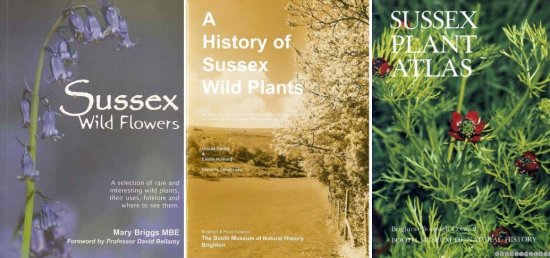
Sussex Plant Books
Northbrook College are due to start at Lady Brook Spring on 14th June after the site has been cleared and the lay-by cordoned off. The work will only be carried out at weekends and should take around four weeks. The College and Community Volunteer Team will carry out the bulk of the work and then hand over to the village to landscape the site. Donations of indigenous plants are hereby solicited. The plants will not be needed until the end of June or the beginning of July. If any Fulking gardeners are splitting plants before then, please bear this worthy project in mind.

Andrea Dickson, Clerk to Fulking Parish Council
01444 451 060 / andreadicksonfpc@gmail.com

Local history resumes

Local history resumes
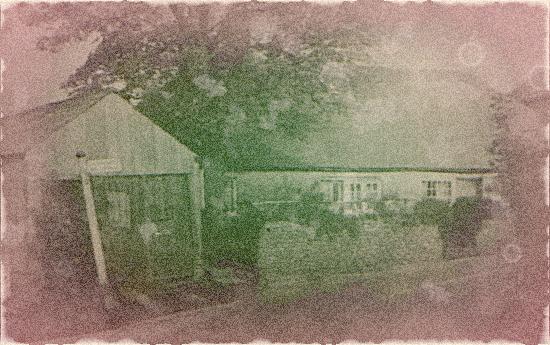
After a four month furlough, Fulking local history essays resumed earlier this month with William Axon’s 1897 essay on Poynings and Fulking, A Ruskin Pilgrimage. Such essays don’t usually appear on the home page (they are too long). They do show up in the ‘Recent Posts’ list in the left sidebar but are easy to miss there. If such posts interest you, then you should just check the list provided in the ‘Local History’ menu item under ‘About Our Village’ every few weeks to see if something new has appeared at the top. The purpose of the present note is to draw your attention to the fact that today sees the publication of no fewer than three local history items: Tony Brooks’s history of the Yew Tree Cottage site and biographical pieces on two of the former residents Albert E. Browne OBE and his son Ken (Memories of Devil’s Dyke).

Horton Clay Pit SSSI

Horton Clay Pit SSSI
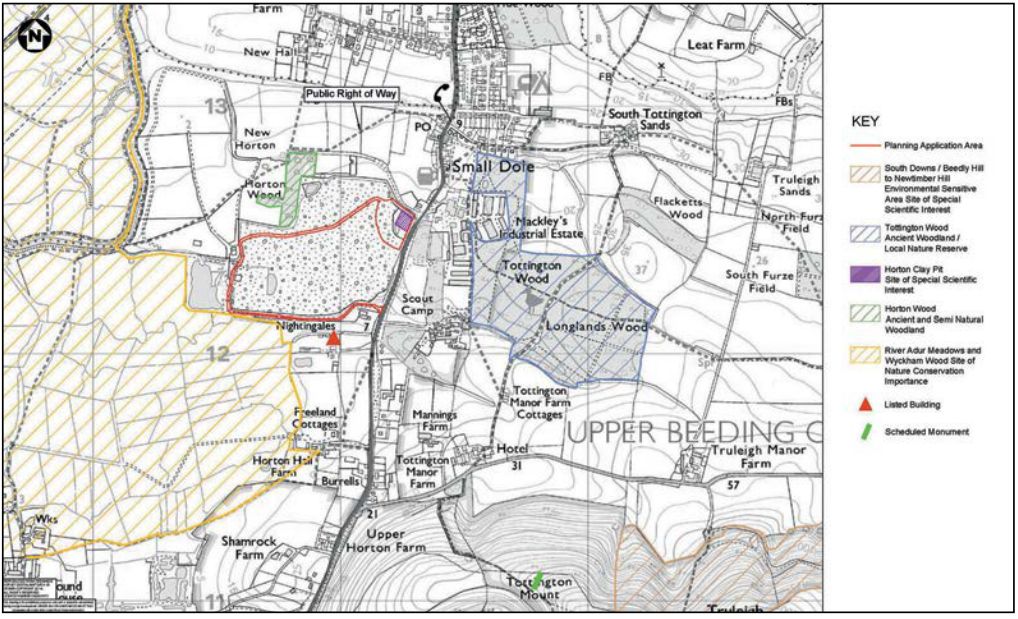
A Viridor residents newsletter [PDF] tells us that:

Viridor intends to submit a planning application in June 2014, accompanied by an Environmental Statement, relating to the infill and restoration of the Site of Special Scientific Interest (SSSI) area at the Horton Clay Pit.

In 1991, the former clay pit was granted planning consent for restoration using landfilling. A condition of this consent was that the SSSI would be retained and as a result the landfill was designed around it. The SSSI now forms one side of a shallow excavation with the landfill lying on the other side.

A recent technical stability report found that long-term remediation of the SSSI was not feasible. The only practical and sustainable solution is burial by
inert infill and restoration of the whole SSSI void to prevent any further erosion. Natural England has agreed in principle, subject to the Gault clay being protected by a marker layer.

The scheme will establish additional grassland married into the existing adjacent restoration profile. It will also provide further woodland planting and establishment to enable habitat linkages across the restored landfill.

If you want to comment, the deadline is 3rd June. More information is available in the newsletter quoted above, the Viridor website, and at the Shoreham Herald.