
Month: January 2017
Sloe Gin
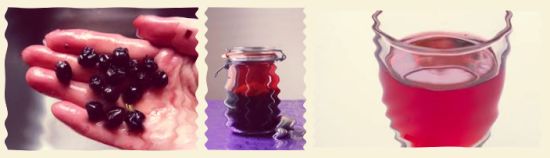
Sloe Gin and Homemade Liqueur Competition: Monday 6th February, Royal Oak Poynings (Village Night — table reservations advisable). Entries in by 8:00pm (a jam jar will do), £1.50 per entry (2016/2017 fruit only). Two categories:
(i) Poynings — Sloe Gin Cup and prize for best liqueur (fruit+spirit);
(ii) Foreigners — Fulking, Newtimber, Pyecombe, and Woodmancote.
How many species?
Two new local history articles

Following an eighteen month furlough, we are pleased to announce the publication of two new local history articles on this website: a guest post by Stewart Angell, author of The Secret Sussex Resistance, on the role that Tottington Manor played as the headquarters of the Sussex Auxiliary Units during WWII; and a new post by Tony Brooks on the rather complex architectural history of the Oldwood site with some extra material on the two major 1930s literary figures who lived, or lodged, there.
Tottington Manor: Sussex WWII Auxiliary Units HQ

The Auxiliary Units were, in effect, created to be the ‘British Resistance’ in the event of a German invasion of this country. Colonel Colin Gubbins was given the task of forming this resistance in June 1940, a time when the threat of invasion was very real. He gave them the deliberately nondescript title of ‘Auxiliary Units’ often shortened to ‘Aux Units’. They were provided with the best available weapons, including plastic high explosives, without regard to expense. The Aux Units were formed into small localised patrols all around the country. Each county was given an Intelligence Officer, holding the rank of Captain, whose initial task was to create these patrols. Although potential members of the Aux Units existed within the regular Home Guard, not all the men were recruited there. It was essential for members to have an intimate knowledge of their area, consequently farmers, game keepers, market gardeners and people of similar occupations joined their ranks, many being in reserved occupations.
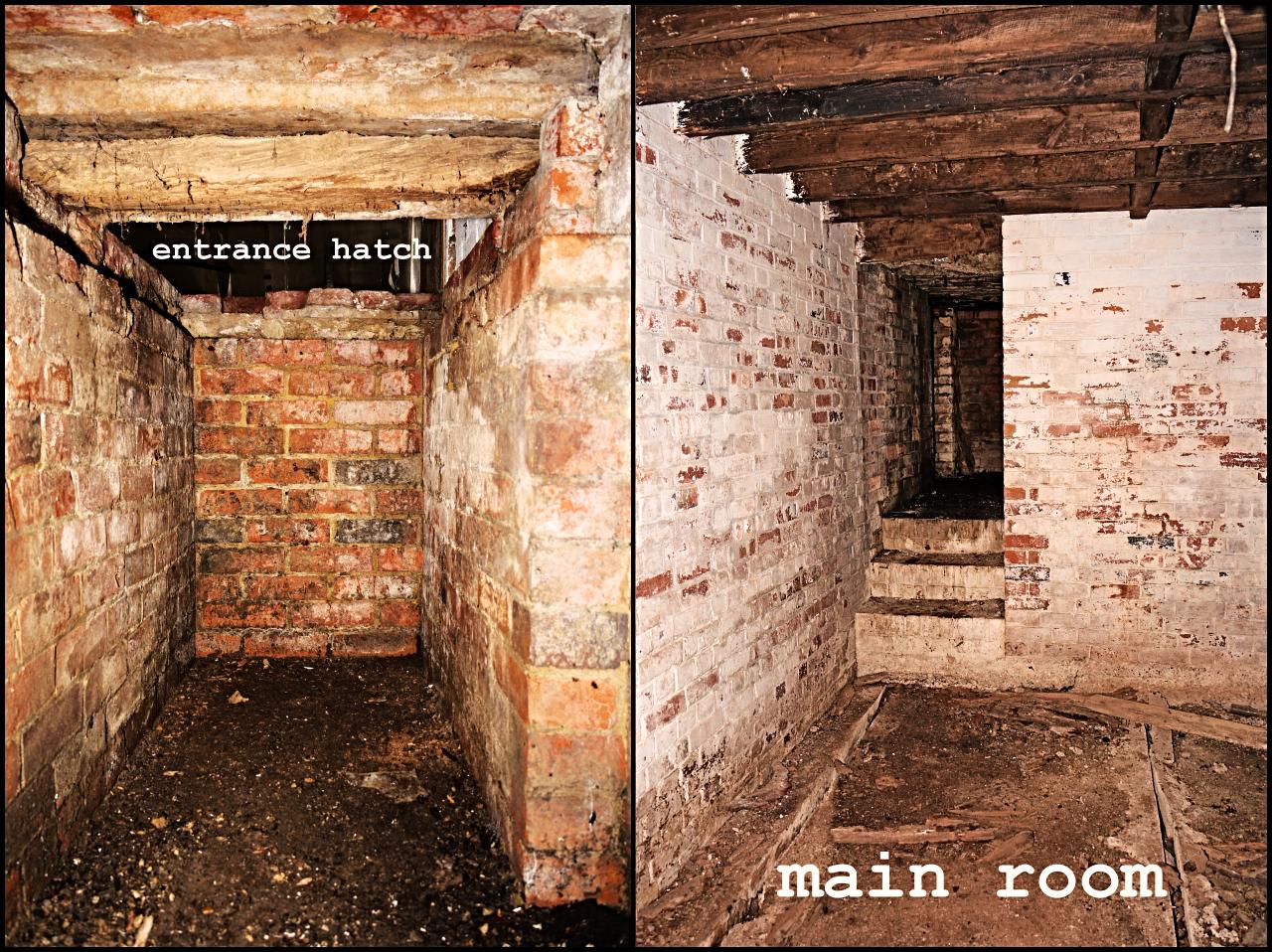
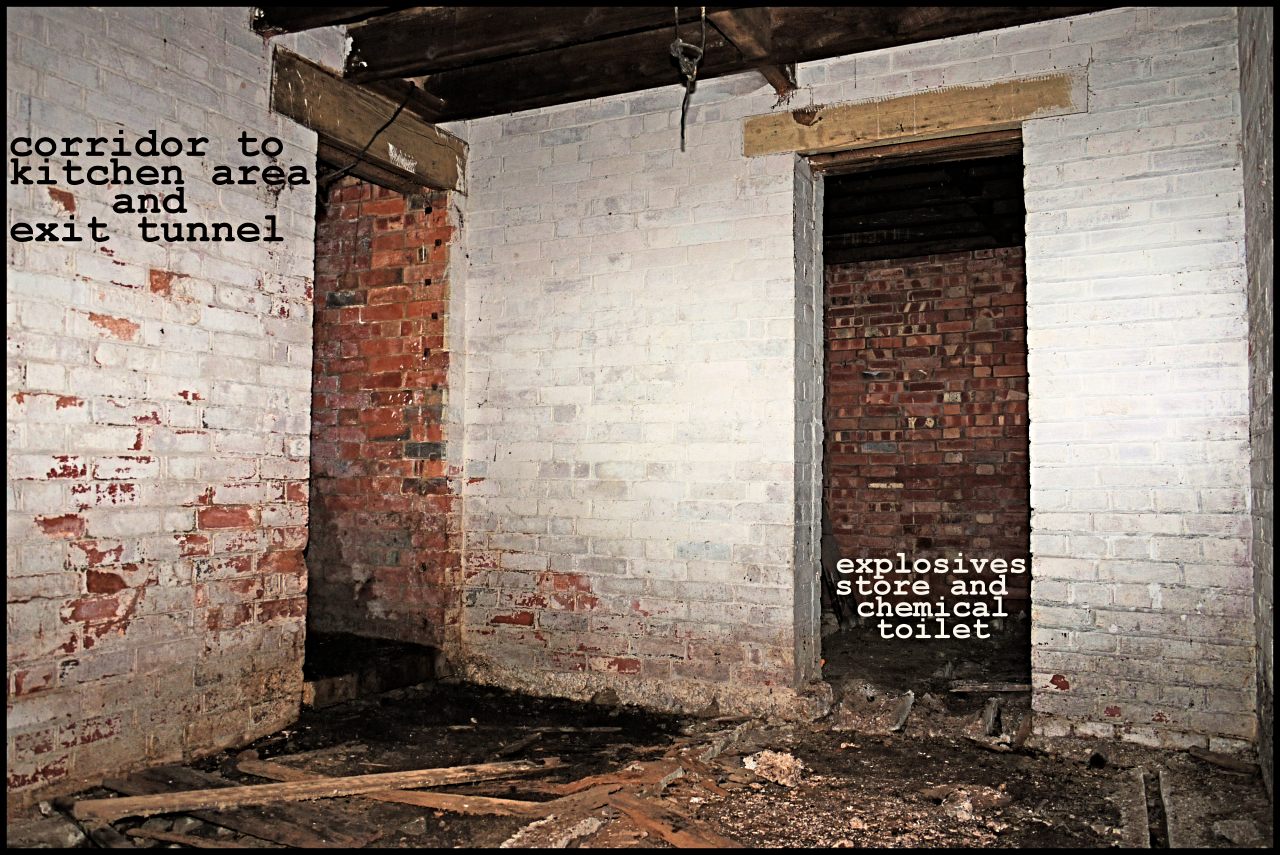
Everything about their existence was kept highly secret. Each patrol required an underground hideout, known as an ‘operational base’. These bases were well hidden and purpose built to house the patrol in the event of an invasion. The operational base also contained food, water, ammunition and explosives. In the event of invasion, each patrol was to secrete themselves in their operational base and wait for the Germans to occupy their area. Emerging only at night, the patrol would then have conducted acts of sabotage. Roads, bridges and railway lines would have been targeted for destruction and lines of communication or supply would have been severed.
Sussex had two scout patrols, one covering the East and the other covering the West of the county. Each scout patrol had twelve men with a Lieutenant commanding them. The eastern scout patrol was made up of men from the Queens Royal Regiment, commanded by Lieutenant William Ashby and the western scout patrol comprised men from the Royal Sussex Regiment, commanded by Lieutenant Roy Fazan. Weekend training of the Sussex patrols took place at Tottington Manor. Practical work was undertaken by the scout patrols with lectures being delivered by the Intelligence Officer.
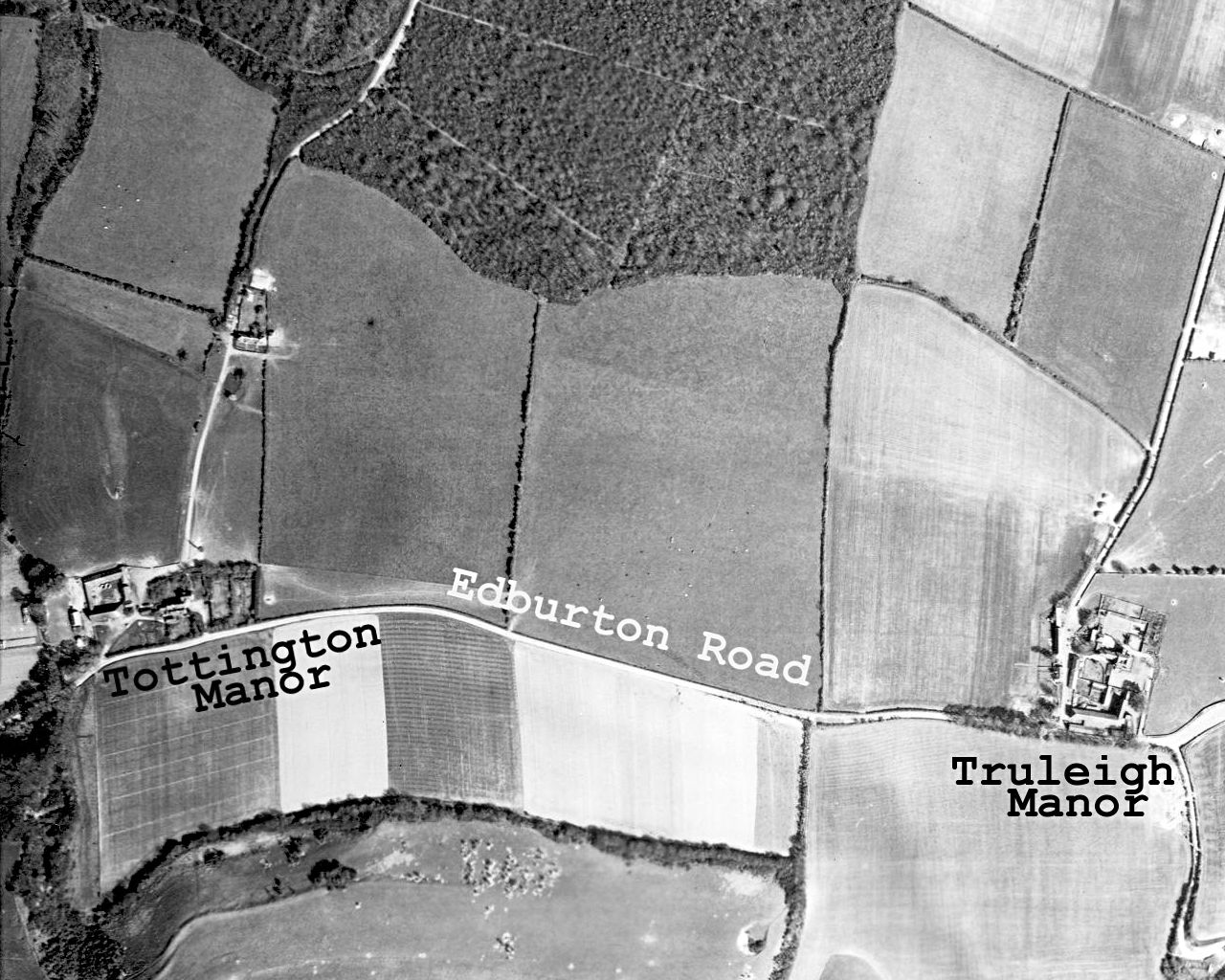
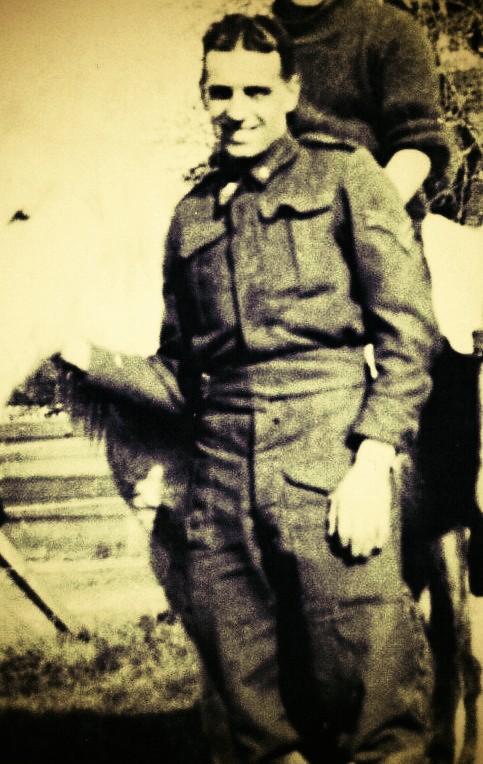
The manor’s central position in Sussex along with its isolated location made it ideal for a regional base for the Aux Units and it was duly requisitioned. The Intelligence Officer and his personnel were based at the Manor. They included a couple of drivers, a cook, a clerk in charge of paperwork, a Lance Corporal from the Royal Corps of Signals as a radio operator and a Corporal from the Royal Engineers.

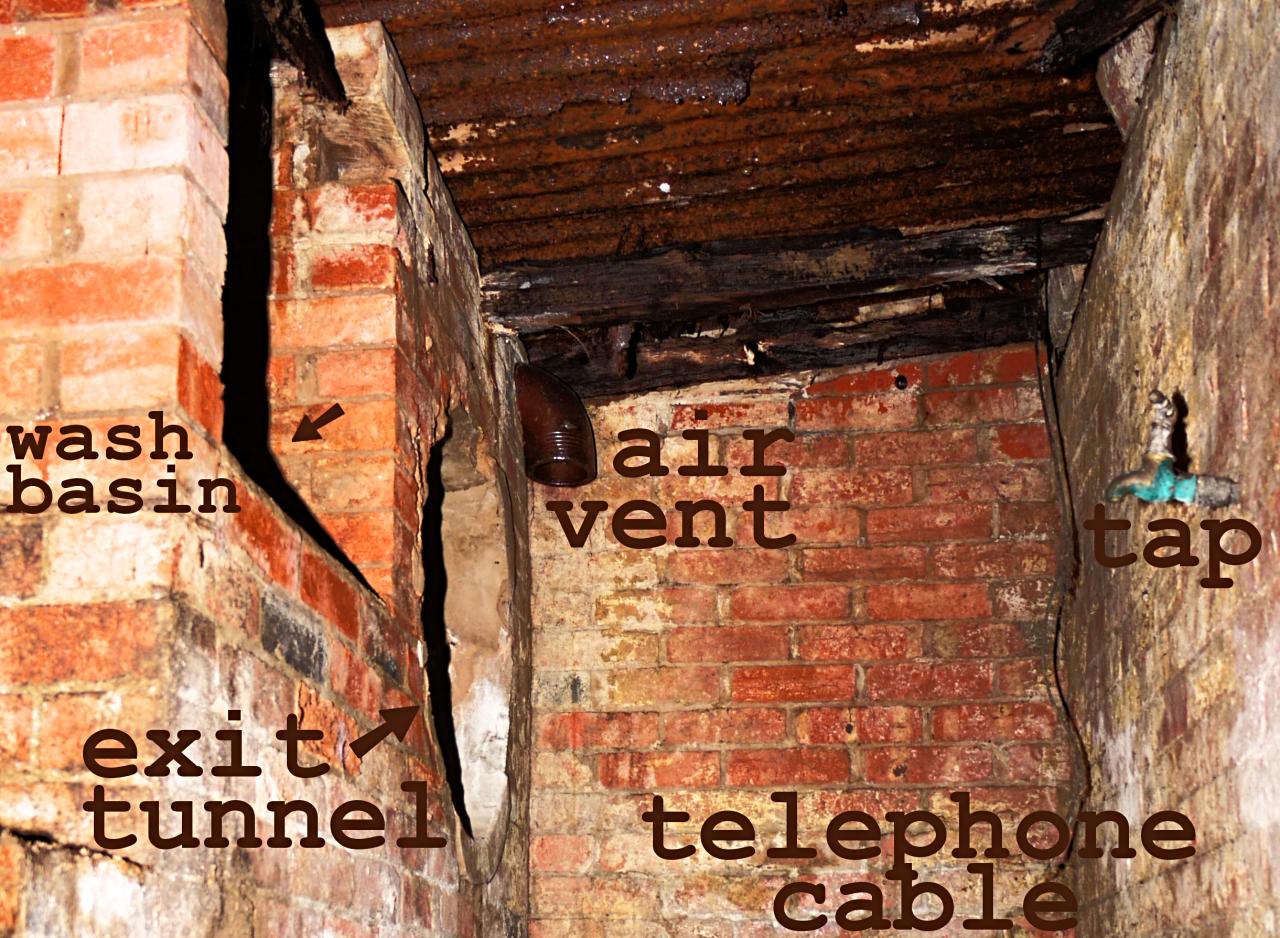
Sussex was in the front line of a German invasion and as such would have played a key role during the hours and days following the initial landings. The men within the Aux Unit patrols were all volunteers, highly trained and ready to do what they had been trained to do unseen after nightfall. Thankfully, they were never needed. It was predicted that the patrols would have had a life expectancy of just two weeks after the start of their campaign.
Stewart Angell
Further reading:
- Stewart Angell (1996) The Secret Sussex Resistance. Midhurst: Middleton Press.
- David Lampe (1968) The Last Ditch. New York: G. P. Putnam’s Sons.
- John Warwicker (2008) Churchill’s Underground Army. Barnsley: Pen & Sword.
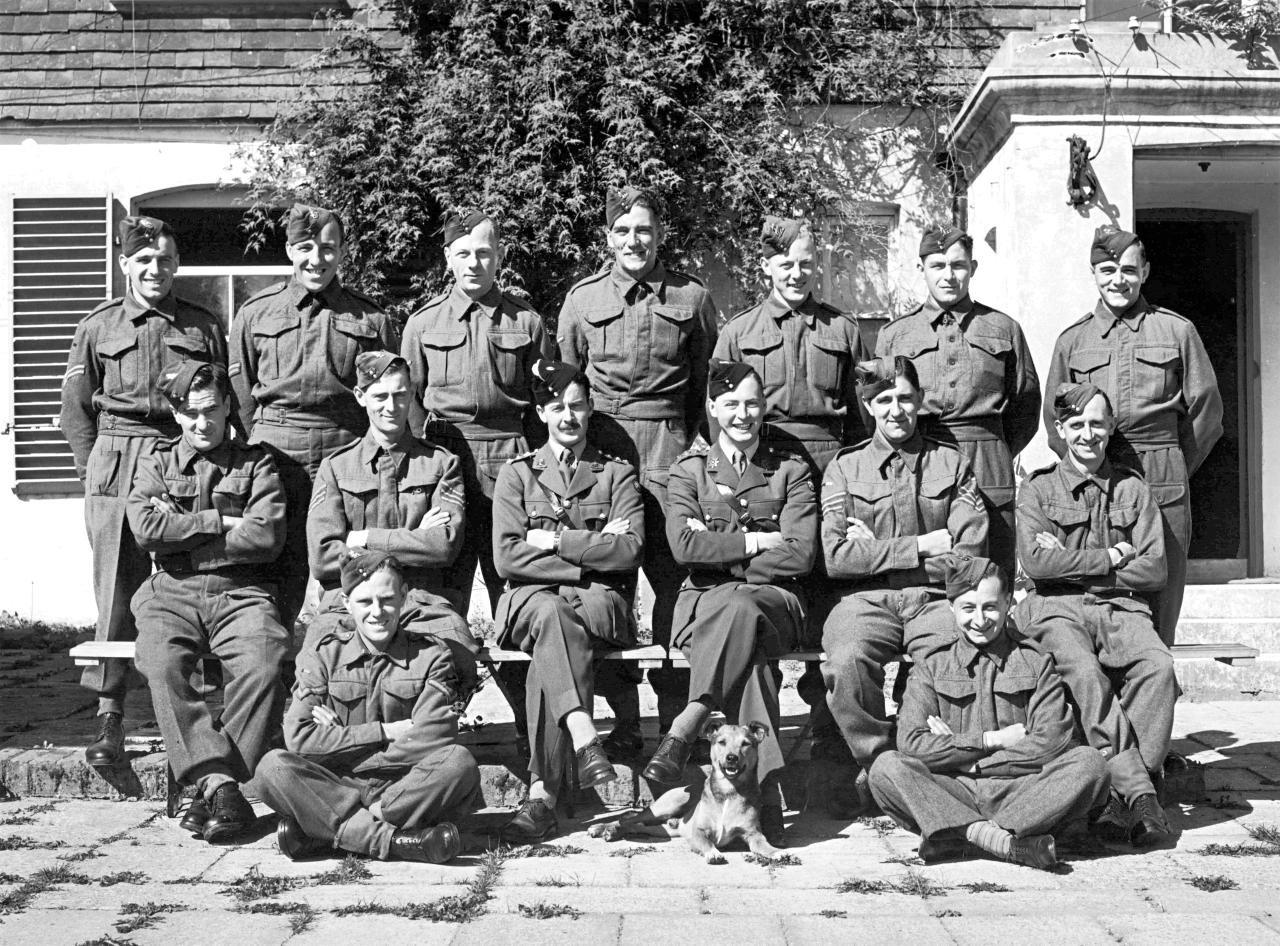
A formal group photo of Corporal Frank Mayston’s Auxiliary Unit Platoon outside the porch at Tottington Manor in September 1943. Frank is standing at the back on the far left. Seated, third from right, is Captain Roy Bradford, the Intelligence Officer for the unit. He spoke French and was recruited by the SAS in 1944 to fight with the French Resistance. He parachuted into France that year and died in a firefight with German forces.
Image information:
- Tottington Manor: one of a series of photographs of the building taken in 1949 by Marjorie Baker, a professional photographer based in Henfield. Her entire archive is held by Henfield Museum.
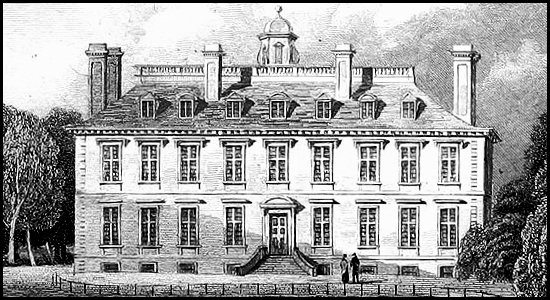
- Coleshill House: from an 1818 drawing by John Preston Neale, British Library, public domain. The appearance of the house remained unchanged until it burned down in the 1950s.
- Aerial photograph of Tottington Manor and surroundings in 1946: Sussex Air Photo Catalogue, Geography Resource Centre, University of Sussex.
- Plan of the underground hideout: author.
- Photos of Corporal Frank Mayston: author’s collection, unknown photographer.
- Photos of the hideout interior: author, 2010.
- Frank Mayston’s platoon at Tottington Manor in September 1943. Almost certainly taken by Marjorie Baker, a print was donated to Henfield Museum by David Mayston following his father’s death in 2005. Thanks to Alan Barwick, Curator, Henfield Museum, for locating the initial and final photos and allowing them to be used here, and for passing on Marjorie Baker’s recollections of Roy Bradford.
Copyright © Stewart Angell, 2017
Currently popular local history posts:
Harold Manhood at Oldwood

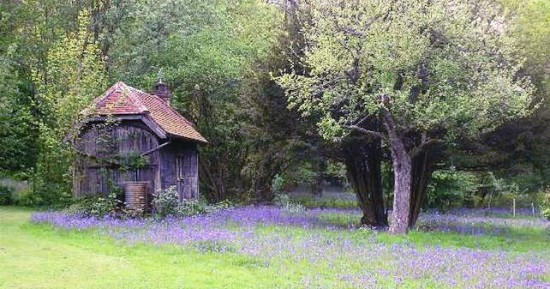
Oldwood is the south west corner plot at the junction of Clappers Lane and Holmbush Lane. Originally part of a large apple orchard, it was the third of the five-acre plots bought by the architect Ernest Black. In 1912 there was an attractive cottage on the site, but this burnt down in 1933. Charles Clayton was Black’s partner in their architectural practice and it was one of Clayton’s daughters who produced the sketch of the cottage reproduced above.
Ernest Black sold the property to an American who used it as a holiday retreat. It was purchased next by Harold Alfred Manhood (1904–1991).
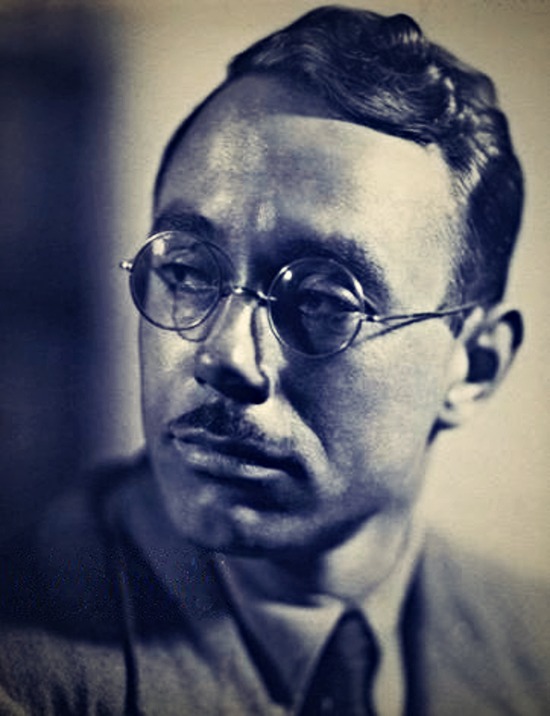
The editor of a recently published collection of Manhood’s short stories writes as follows:
H. A. Manhood was one of the most highly regarded short story writers of the 1930s. His work was praised by John Galsworthy, Henry Williamson, Hugh Walpole and H. E. Bates, who was to become a good friend. His British and American publishers, Jonathan Cape and Viking respectively, thought so highly of him that they paid him a salary to give him the time and space just to write, a most unusual arrangement which demonstrated their respect for his work. His stories were in demand both from popular papers such as the Evening News and John O’London’s Weekly, and from more literary periodicals such as the London Mercury and the Adelphi. They were included in annual ‘best short story’ anthologies and in retrospectives of the masterpieces of English Literature.
Manhood gave it all up at the height of his success and disappeared into the Sussex countryside to live in a railway carriage .. . Writer and auctioneer Frank Herrmann .. said after the war he began to resent growing editorial interference with his writing and was appalled by the tiny payments he received for his output. So in 1953 he stopped writing, bought more land, started brewing cider and never wrote another word. Shortly before his death aged 87, Manhood sold his life’s work to the British Library. [Mark Valentine]
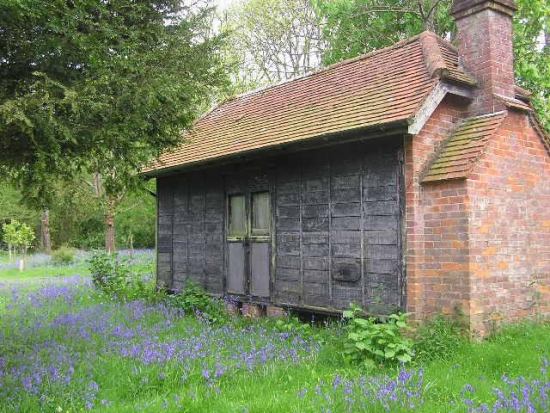
 Villagers recall that H.E. Bates (1905-1974) and Harold Manhood became great friends and it is thought that Bates wrote The Darling Buds of May (later to become a successful TV series) while staying with Manhood in the late 1950s.
Bates had reviewed some of Manhood’s books in the 1930s and was to become an enthusiast as well as a friend. However, in 1932, we find him writing:
Mr. Manhood writes like a Cockney in the country for half a day, very high-spirited, slick and robust, intoxicated into a kind of rollicking ecstasy of admiration of its beasts, fields, and wenches, but without either depth of understanding or authentic feeling. There is something counterfeit about more than half these stories; they look like gold but they ring so often like brass. [Review of Apples by Night in John O’London’s Weekly, October 29th, 1932, page 182.]
But, only a few years later, Bates had come to appreciate all of Manhood’s work and was to dedicate one of his own collections of stories (Something Short and Sweet) to him in 1937. Reviewing a later Manhood collection in 1939, Bates is wholly positive:
There can be no doubt of his calibre. He is almost too rich a writer, as the thirty stories in Sunday Bugles prove, for an age which exalts aridity. He is a cornucopia to an era growing too accustomed to drinking out of paper cups. To all who care for robust, full-coloured, originally flavoured writing, Sunday Bugles must therefore be warmly recommended. [Review of Sunday Bugles in John O’London’s Weekly, February 10th, 1939.]
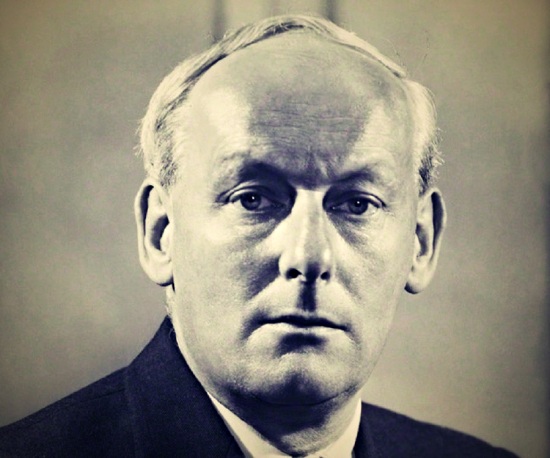
And, in another review of the same collection, Bates has this to say:
Mr. Manhood is a poet forced by his own time and circumstances to write in prose. This could be said of a dozen other short story writers of to-day, but it seems pointedly true of Manhood, who treats the writing of prose as a tortured process of distillation or, more aptly, as the evolution of a pattern in verbal mosaic. All who know him are aware of the tortures that prose inflicts on him; those who know only his stories must be aware that deep embryonic struggles precede the birth of his beautifully plumaged sentences.
His work is consistent in its rare oddity and flamboyance, its prolific use of startling metaphor and violent climax, his method of using the fantastic to illustrate the ordinary, the ordinary to illustrate the fantastic. His stories are so full of the kind of conceits that embroider the work of seventeenth-century poets that I feel he would have been happier in an age where the rich uses of imagination were not looked on with suspicion. He sports rather too fine a doublet in this age of pin-stripes and umbrellas. [Review of Sunday Bugles in Now and Then 62, pages 39-40, Spring 1939.]
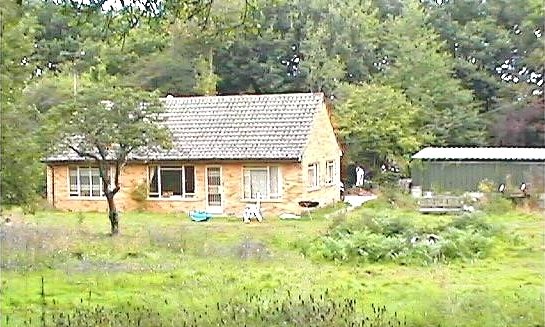
On Harold Manhood’s death in 1991, the property was sold to a retired farmer who added a barn to store his collection of old, working, farm machinery. It was then sold on to a waste haulage operator who constructed an extensive hardstanding for lorries on the land and explored the possibility of obtaining permission to erect a mobile phone mast on the site. After about a year, it was sold again to the former owner of the caravan park in Bramlands Lane. He took up residence and transformed the appearance of the bungalow by integrating the garage into the house. The grounds were also landscaped at this time.
References:
- Paul Machlis (2017) H.E. Bates Companion (website).
- H.A. Manhood (2017) Life, Be Still! And Other Stories, with an introduction by Mark Valentine. Sherborne: The Sundial Press.
[Copyright © 2017, Anthony R. Brooks. Adapted from Anthony R. Brooks (2008) The Changing Times of Fulking & Edburton. Chichester: RPM Print & Design, page 71-72.]
On the market
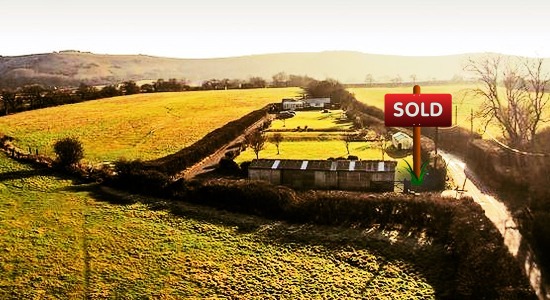
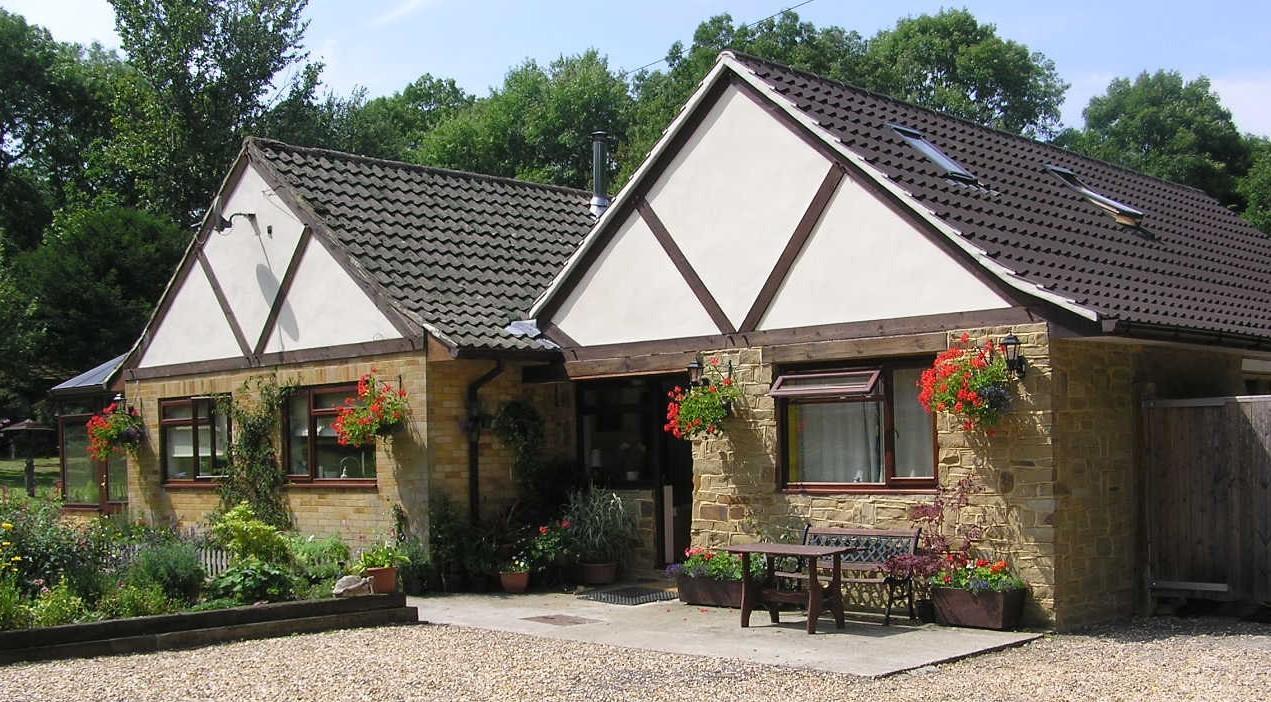
Hillbrook was originally a one acre plot known as ‘Shady Acre’ and was part of Brookside Nurseries in the 1920-1950 period. The nurseries were sold in 1953 and one of the employees purchased Shady Acre. It was then sold to the present owners in 1965. Glasshouses were built in 1970 and the owners then lived on the property in a mobile home for 5 years until they obtained planning permission to build the bungalow that stands on the site today. It was developed and run as a successful plant nursery, until 1998 when the owners retired. Since then the glasshouses have been removed and the site has been re-landscaped to form a large garden.
[Adapted from Anthony R. Brooks (2008) The Changing Times of Fulking & Edburton. Chichester: RPM Print & Design, pages 85-86.]
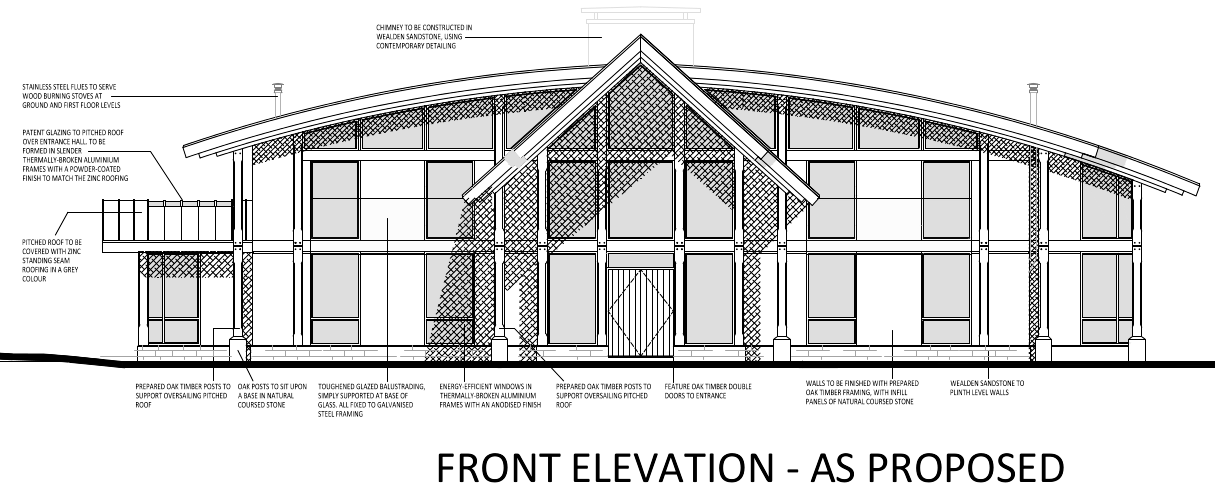
Briklayer Fulking £neg

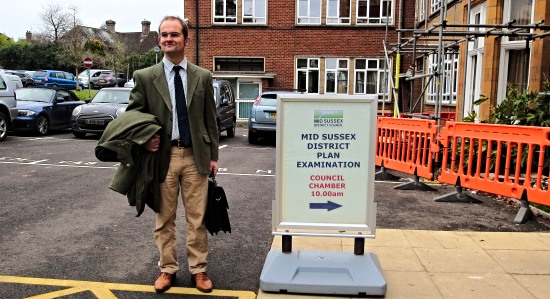
Examination of The Mid Sussex Local Plan II

Dripping tap entails nine week road closure
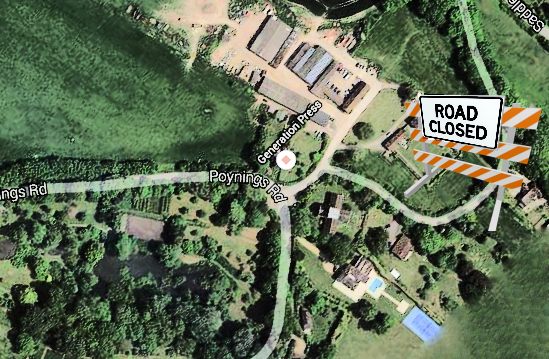
The dog-leg that connects Poynings to the Saddlescombe Road is to be closed from Wednesday 11th January until .. Tuesday 17th March 2017 — according to the obvious nonsense circulated by Matt Davey, Director of Highways and Transport at WSCC.
Update 14th January: as of 5:00pm this afternoon, the road was open. That does not mean it will be open on Monday morning, though. Proceed cautiously.
Update 16th January: the road remains open, all contractor detritus removed.