We pleased to announce that this website has a new monthly Flora & Fauna column edited by the Pippins team. The first post has already appeared and the full set of posts will get listed, in due course, in the Flora & Fauna item in the About Our Village sidebar menu.
Author: LocHist
Mobile Network Antennae
If you have ever wondered where the electrons are (not) going as you stand in the garden with your mobile, you need wonder no more. Our new reference page (listed in the sidebar under the About Our Village heading) will tell you more than you could possibly want to know.
Local Interest Films
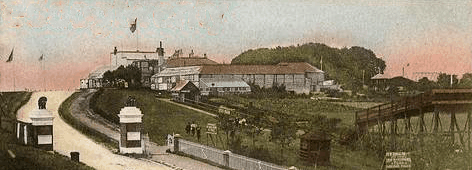
Devil’s Dyke – A Victorian Pastime and The Devil’s Dyke in October (Television South 1986). Poynings Village Hall, 8:00pm Friday 5th April/2:00pm Saturday 6th April, admission free.
Mike Airey
Pyecombe Spring Concert
An evening of chamber music on Friday 19th April, with a variety of songs performed by the Constanza Trio featuring John Walker, Jane Money, and friends from the Brighton Chamber Choir. Doors open at 7.00pm with the concert starting at 7.30pm. Tickets are £10 each and include nibbles and a glass of wine. Tickets can be purchased from Orion News in Hassocks or from Andrew Munday on 01273 566276 or email avmunday [at] yahoo [dot] com. The concert is in support of the Pyecombe Church Extension Project.
The View from Pippins, Spring 2013
In this unseasonably cold weather the trees and bushes on the Downs seem to be “oozing” rather than bursting into life! There are changes every day and there is a gorsebush bravely blooming halfway up to the top. Mind you, the old saying that when the gorse is out of bloom then kissing is out of fashion suggests that it’s generally blooming somewhere!!
Our garden aconites have come and gone and the primroses rehomed from my mother’s Kentish garden are brightening up the bank, mirroring those further up the bridlepath opposite “Downside”.
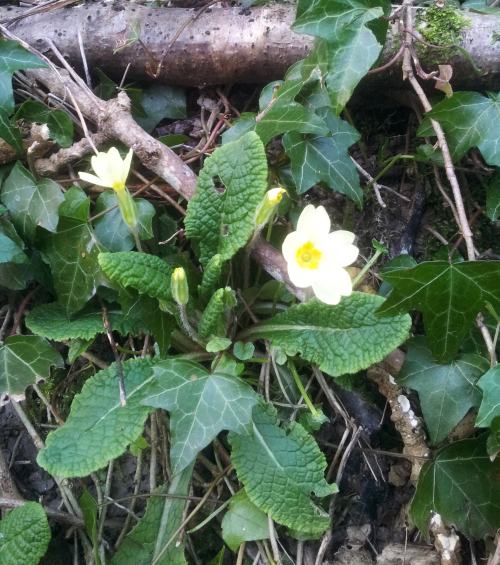
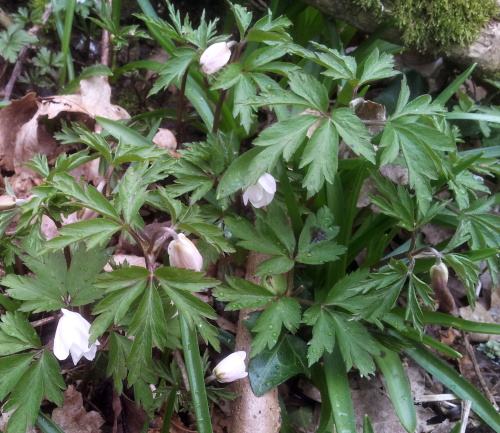
Wood anemones are flowering and wild garlic leaves are coming up…the latter delicious made into a pesto with walnuts (try kent cobnut oil or walnut oil) or used to wrap butter around a chicken breast: Yum!!
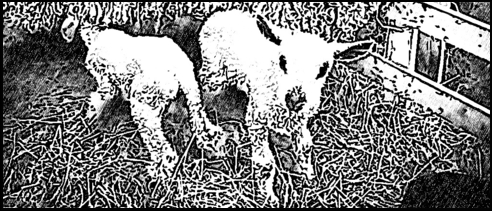
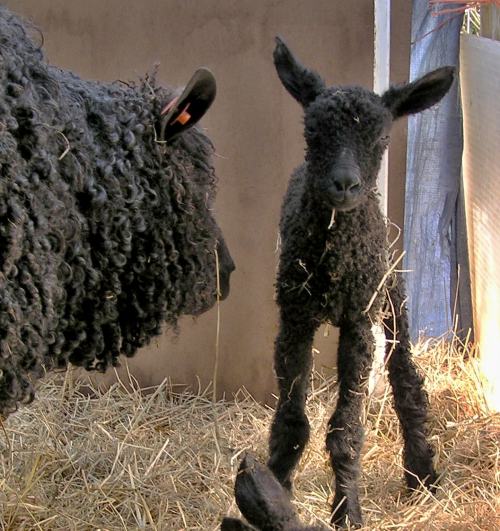
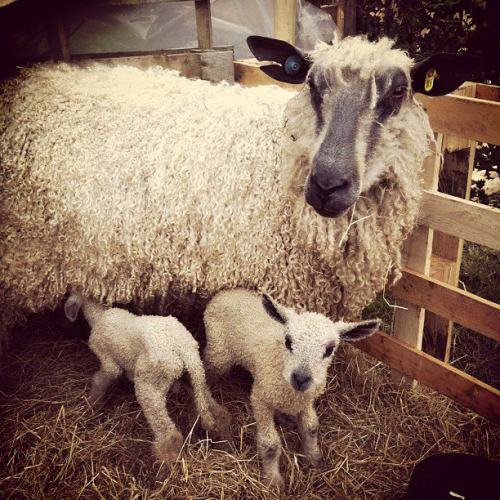
We have lambs at last! Two sets of twins, little black rams to Molly and a white girl and boy to Darcy with three more ewes to lamb, although two of those are not looking very pregnant!
We are keeping the flock up by the house in this cold weather but they will be back to the Shepherd and Dog once they can cope without a shelter, and are big enough to escape the fox.
Schmallenberg
The threat of Schmallenberg virus is sadly still very much hanging over UK farmers this Spring, to compound the trials of those who are also losing lambs to the snowy weather. A report on the radio this morning asked us all to support them by buying English lamb as often as possible and I’m sure we don’t need too much encouragement.
A little background to this new disease .. It is named after the town in Germany where it was first identified (coincidentally twinned with Burgess Hill!) and is an “orthobunyavirus”, spread by midges similar to the Akabane virus found in the hotter parts of the world. Its epidemiology can therefore be cautiously predicted using that virus as a model, and it does seem that affected animals, primarily sheep and cattle, become immune in subsequent years and will give birth to normal offspring the following season. Sadly the lambs and calves born to vulnerable (i.e. non-immune) adults infected at the crucial stage of pregnancy (25-50 days for sheep, 70-120 days for cows) are born with abnormalities such as fixed and inflexible joints, a twisted neck or spine, domed skull or a short jaw, deformities usually incompatible with life, and very often needing a caesarean to deliver them. As you can imagine this plays havoc with the farmers profit margin.
We are keeping our fingers crossed that our little flock of Wensleydales will not be affected. It is hard to assess the local risk as a proportion of lambs are always still born for various reasons, and local farmers have only just started lambing. Let’s hope this freezing weather will have at least seen off the affected midge population – every cloud…..!
Pippins
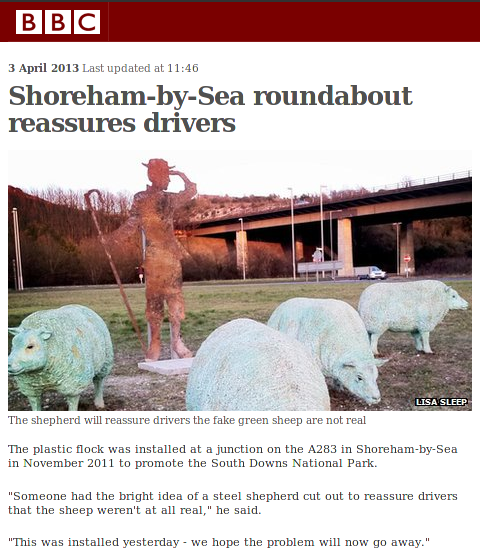
Plastic Sheep Threaten Drivers
Newtimber Place Gardens
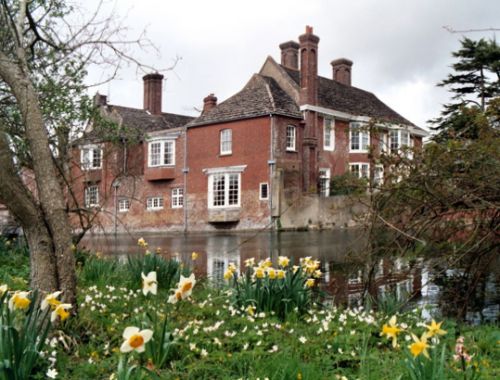
Farmers in Fulking: A History of the Harris Family

My grandfather, Henry Harris, came from a farming family that had farmed in Dorset for about two hundred years. In 1891 he moved to Silton Manor, a farm of about 400 acres near Gillingham in Dorset. His son, my father, was also called Henry. Dad was one of a family of seven boys and six girls. The boys all became farmers and the girls, with one exception, married farmers. Five of Henry’s brothers fought in the 1914-18 war. They were all in the Dorset Yeomanry, as most farmers’ sons were and all returned without serious injury. My father was in Egypt and Palestine fighting the Turks and apart from being stung by a scorpion and a few bouts of dysentery was unscathed. In 1991 a centenary gathering was held at Silton Manor and about sixty relatives and other folk connected with the Harris family attended. Some came from as far afield as New Zealand and one from Zimbabwe. Two coaches were hired to take the guests on a tour of the Dorset farms where members of the family had once been tenants.
Over time the family had been able to purchase the farm and the size of the holding had been greatly increased. Six of the seven sons gradually left Silton once they had saved enough money to branch out on their own, leaving the youngest brother as tenant at Silton, until, at a later date, he was able to buy out his brothers. My father (Henry) married my mother Amy in 1920 and left the family farm in Dorset in the same year. At first Amy stayed behind while Henry moved to Sussex and rented a large farm of about 800 acres in Fulking called Perching Manor. This was in Crown ownership and later more land, adjoining the farm, belonging to Brighton Corporation, was rented. The land associated with these farms had become very run down and it took several years to return the land to good health. Amy came out to join her husband in 1922.
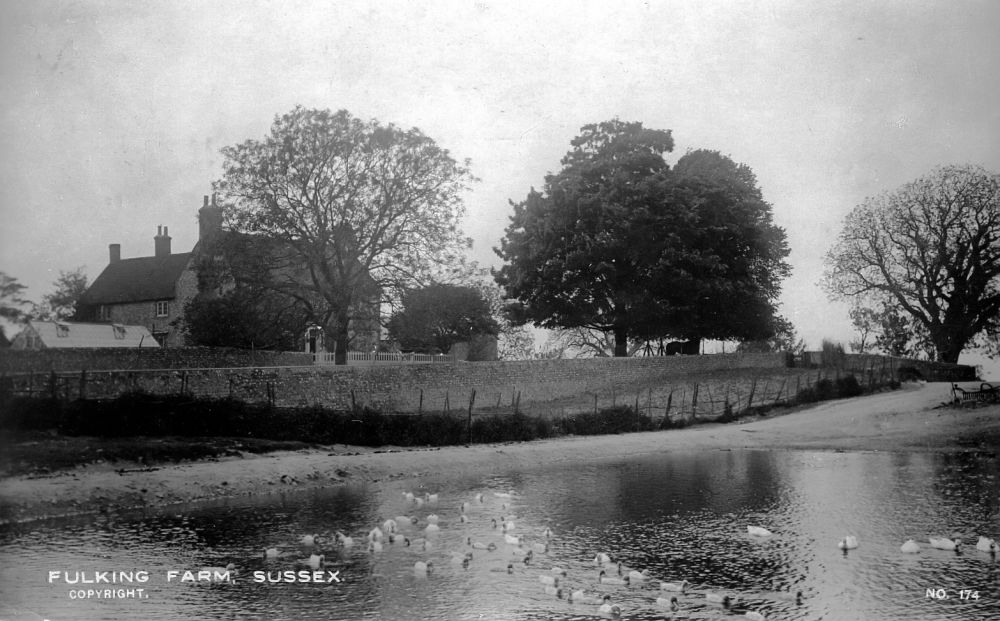
At that time there were no tractors and all the cultivation was done using heavy horses of which there were about ten at Perching. The carters started start work at five o’clock in the morning and stopped at half past three in the afternoon. It took two horses and one carter with a single furrow plough, to plough one acre a day. At the end of the day they then brought the horses back to the stables, fed them and bedded them down for the night.
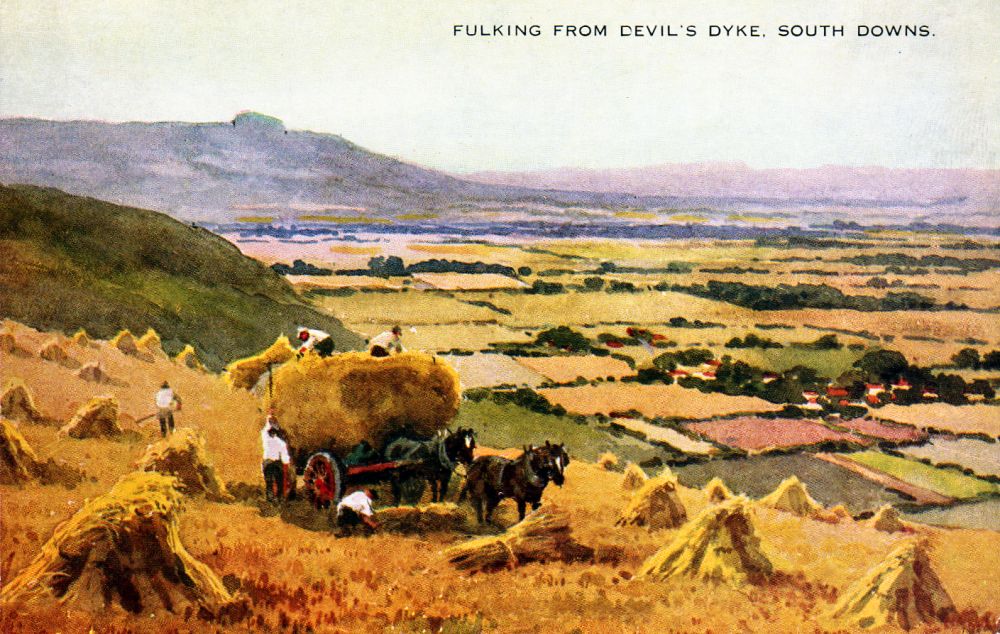
It was not long before Henry and Amy’s family had grown considerably. Their eldest child Henry, was born in 1926, Brian came along in 1927 and Geoffrey in 1929. They were followed by Susan in 1932, Edwin in 1936 and Alban in 1940. All the boys except Henry worked at Perching Manor Farm and Susan married a farmer.
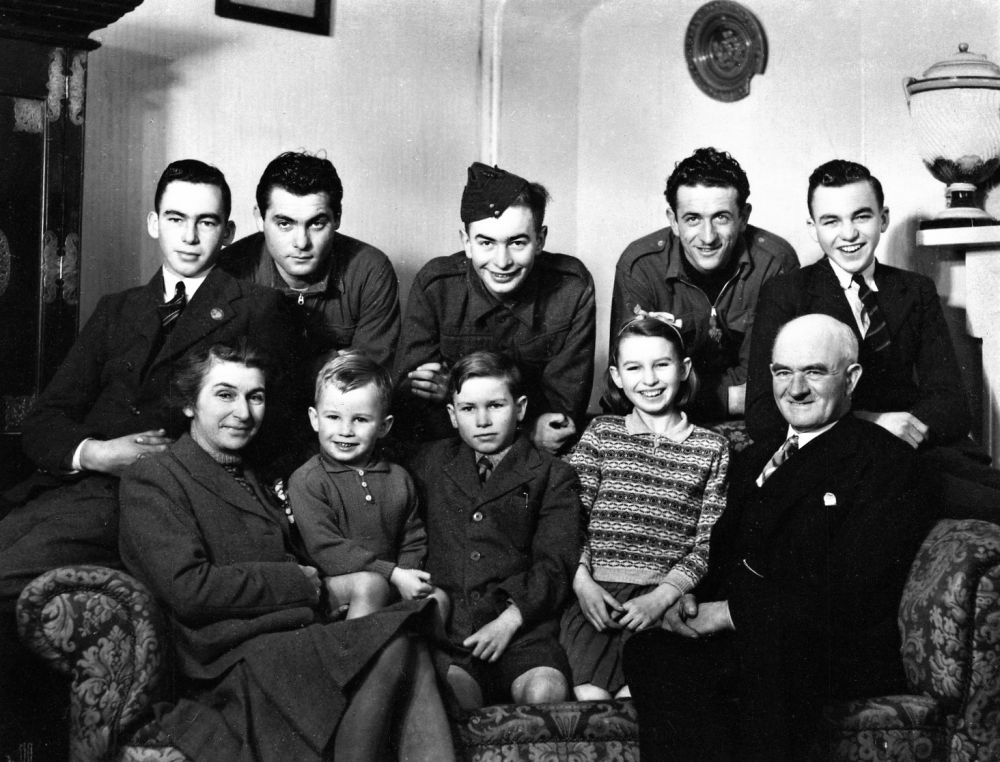
The Harris household in 1943. Front: Amy, Alban, Edwin, Susan, Henry. Behind: Brian, Adolfo Marine [POW], Henry, Carlo Mazon [POW], Geoffrey.
Henry won various scholarships first to Oxford and then to American Institutions. He later became a professor aged 23. He took out American citizenship and spent the rest of his working life teaching classics in the USA and Canada. He retired to Vancouver Island in British Columbia and died in March 2007.
A large part of the farm was on top of the Downs where there were cottages for the farm labourers and stabling for the horses. A large flock of sheep was maintained and the land was kept fertile by folding them over land that was used for growing turnips, swedes and various brassica crops.
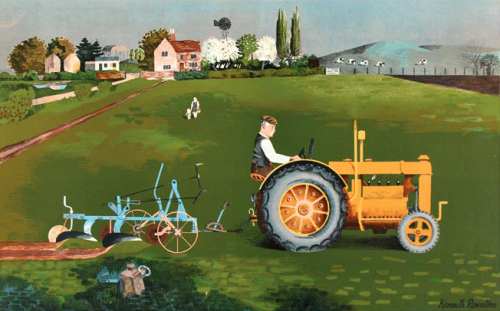
Kenneth Rowntree, 1946
Henry Harris was a good farmer and soon gained respect among the farming fraternity. In the early years, it was a mixed farm with a large dairy herd, a flock of sheep and a large arable acreage. In 1937/8 Henry bought their first tractor: a Fordson. From then on cultivation became easier. The tractor could pull a two-furrow plough and this meant that three acres a day could be ploughed.
When war was declared in 1939, farmers were pressed into increasing productivity. Perching became much more mechanised and the acreage put to the plough was increased. A greater variety of crops was grown, including flax, potatoes and other vegetables. Any land worked by hobby farmers that was considered unproductive was confiscated and handed to more efficient farmers for the duration of war. My father’s acreage was considerably increased by the scheme.

In 1941 all of our land on top of the South Downs was requisitioned by the War Department for training the army in the use of live ammunition. This left us with only the north escarpment of the Downs for grazing and a fence was erected along the top of the Downs to keep our cattle off the artillery ranges. However, there was plenty of grazing on the ranges and the temptation was to leave the gate open and let the cattle get to the better pasture. It was during this time, whilst out on my horse looking for our quite large herd of cattle, that I came across a Bren Gun Carrier with some men from the electricity board mending wires that had been brought down by artillery fire. I enquired if they had seen our cattle and they directed me to an area where eight steers and heifers lay dead. Apparently a mortar bomb had landed right in the middle of them and this was the result. It was debatable who had left the gate open, but we claimed the Army was at fault and we were compensated £18 a head for each animal.
In 1942 three Italian POWs came and worked on the farm. They were billeted in the cellar at Perching Manor, which was a great help, as most of our young labourers had been called up. The Italians weren’t repatriated until 1947 and in the meantime we also acquired two German POWs who returned home in 1948. Before the Germans left we were allocated two Latvian displaced persons. One left for Canada after about 3 years, the other, Rudolf, remained at Perching for his entire working life.

In 1947 we purchased our first combine harvester. A Minneapolis Moline, which made an 8ft (2.4m) cut and was not selfpropelled. Looking back, it was a rather a ‘Heath Robinson’ affair. But at that time it transformed harvesting. The farm had by now become highly mechanised with several caterpillar tractors and other modern equipment and in 1948 two more combine harvesters were purchased.
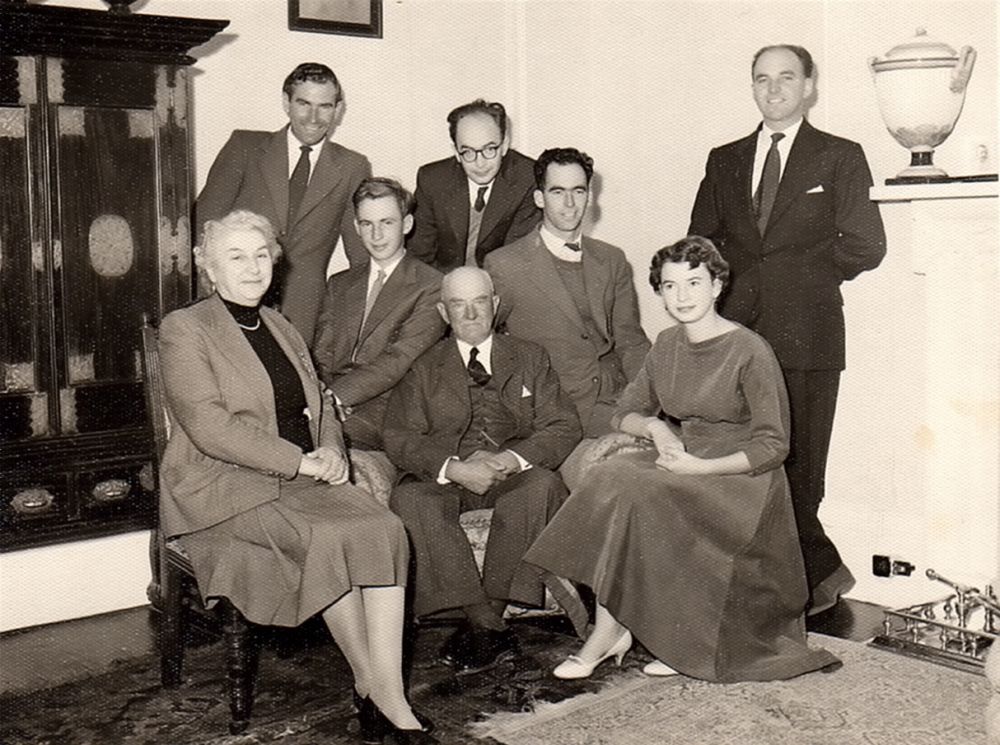
The Harris family in the late 1950s. Seated at front: Amy, Henry, Susan. Seated behind: Alban, Brian. Standing at rear: Edwin, Henry, Geoffrey.
In 1950 my father formed a partnership between himself and four of his sons (Brian, Geoffrey, Edwin and Alban). The farm was considerably enlarged in the 1950s with the largest addition being a 250 acre farm purchased at Findon, along with another of 160 acres at Small Dole. By 1960 the Harris holding was in excess of 2000 acres, about half of which was owned by the family and the other half rented.
By this time our milking herd was long gone. It had to be disposed of because it had become too difficult to get staff willing to start very early in the morning and work a seven day week. Perching became an arable, sheep and beef farm, growing about 1000 acres of grain, mainly barley, and maintaining a flock of 1000 breeding sheep and a herd of 250 beef suckler cows. Most of the animals were fattened and then sold on.
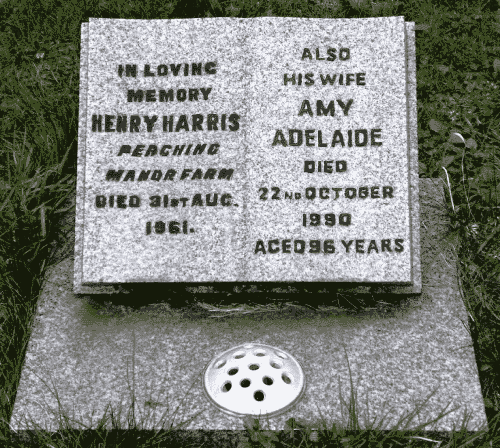
Henry Harris died in 1961 aged 72 and his wife Amy in 1990 aged 96. Amy had lived at Perching Manor for sixty years.
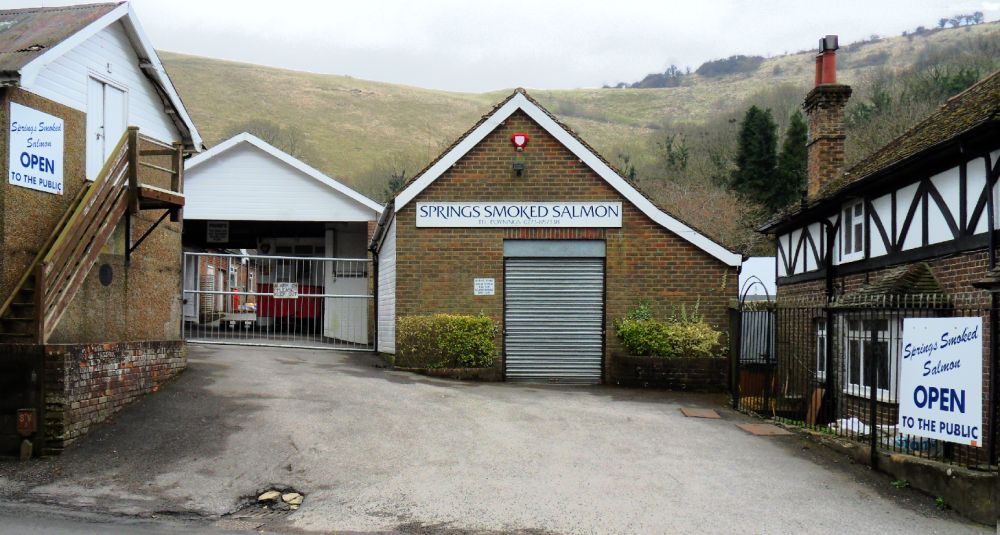
Geoffrey left the partnership in 1964 and bought the Findon Farm from the business. He and his wife Josephine started Springs Smoked Salmon in the same year and in 1972 they sold the farm and concentrated on the salmon smoking business, which is still carried on by their two youngest sons.
Brian took over running Perching Manor Farm, as his brothers gradually branched out to run their own farms. Edwin went into sheep farming and is now retired. Alban (Shiner) has land at Pyecombe and Fulking and rears beef cattle.
Geoffrey Harris, 2007
[Copyright © 2013, Geoffrey Harris. This memoir first appeared in Anthony R. Brooks (2008) The Changing Times of Fulking & Edburton. Chichester: RPM Print & Design, pages 350-354.]
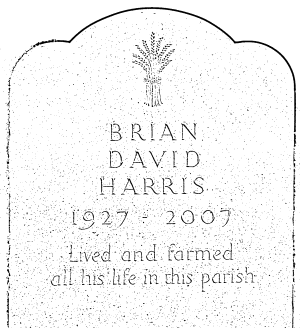
Editorial postscript: ill health forced Brian Harris to retire from farming in 2006. He died in July the following year and is buried in the churchyard at St. Andrew’s. His daughters took over running Perching Manor Farm.
Currently popular local history posts:
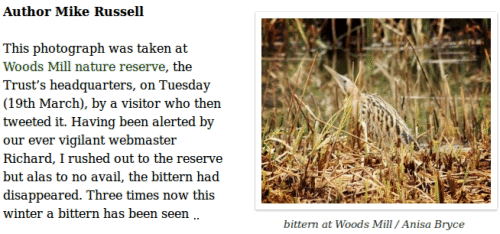
Bittern at Woods Mill